The Common Types
When you notice a new spot on your skin, it can be scary, but knowing what you’re looking at changes everything. Most skin growths fall into two categories: those that are cancerous and those that are just harmless "mimickers." By learning how to spot the three most common skin cancers and the normal moles that often look like them, you can stop feeling overwhelmed and start asking your doctor better questions. This guide breaks down exactly what to look for so you can feel more in control of your health and make sure you aren’t pushed into a surgery you might not actually need.
Basal Cell Carcinoma (BCC)
- This is the most common skin cancer.
- It starts in the skin's lower layer, usually due to long-term sun exposure.
- It grows slowly and rarely spreads to other organs, but it can damage nearby tissue if ignored.
- How it Appears:
- BCC often shows up on the face, neck, or arms as:
- A Pearly Bump: A shiny, skin-colored, or pink dome (may look brown or black on darker skin).
- A Non-Healing Sore: A spot that bleeds, crusts over, heals, and then returns.
- A Pink Patch: An irritated, flat red area that might itch.
- A Waxy Scar: A firm, white, or yellow area with no clear border.
- BCC often shows up on the face, neck, or arms as:
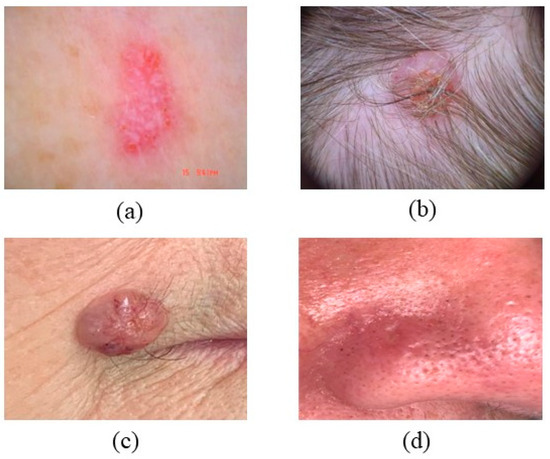
Figure 3: Source: “A Smart Mobile-Based Solution for Skin Lesion Analysis” by Bioengineering 2025. Licensed under CC BY 4.0.
Squamous Cell Carcinoma (SCC)
- This is the second most common form of skin cancer.
- It develops in the squamous cells, which make up the middle and outer layers of the skin.
- While usually not life-threatening if caught early, SCC is more likely than basal cell carcinoma to grow deeply or spread to other parts of the body if left untreated.
- It is primarily caused by cumulative UV exposure from the sun or tanning beds! (BEWARE OF TANNING BEDS)
- How it Appears:
- SCC typically appears on sun-damaged areas like the face, ears, bald scalp, neck, and the backs of the hands in the forms of:
- A Firm, Red Knot: A persistent, raised bump that may feel hard to the touch.
- A Scaly Patch: A flat, reddish spot with a crusty or scaly surface (sometimes resembling a patch of eczema or a wart).
- An Open Sore: A sore that does not heal, or heals and returns, often with a raised, thickened border.
- A Horn-like Growth: A rough, hard growth that sticks out from the skin (called a cutaneous horn)
- SCC typically appears on sun-damaged areas like the face, ears, bald scalp, neck, and the backs of the hands in the forms of:

Source: Saint John’s Cancer Institute, "Squamous Cell Carcinoma Consultation" Infographic.
Melanoma
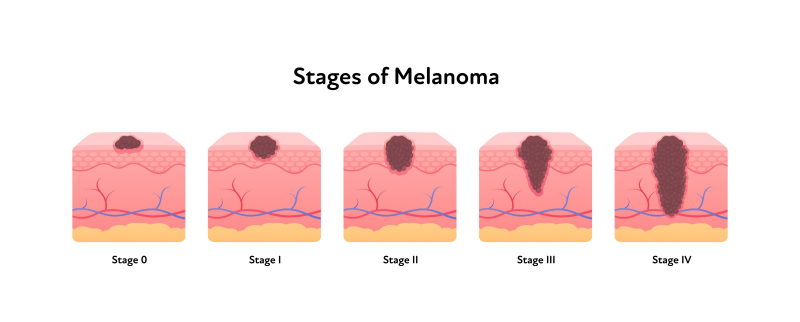
- Melanoma is the most serious form of skin cancer.
- It develops in melanocytes, the cells responsible for producing melanin (the pigment that colors your skin). While less common than basal or squamous cell carcinoma, melanoma is more dangerous because it is much more likely to spread to other organs if not caught early.
- It can develop from an existing mole or appear suddenly as a new dark spot.
- How it appears: (The ABCDE Rule)
- Dermatologists use the ABCDE acronym to help identify the signs of melanoma:
- A is for Asymmetry: One half of the spot or mole does not match the other half.
- B is for Border: The edges are irregular, ragged, notched, or blurred.
- C is for Color: The color is not uniform. It may include shades of brown or black, or sometimes patches of pink, red, white, or blue.
- D is for Diameter: The spot is larger than 6mm (about the size of a pencil eraser), although melanomas can sometimes be smaller.
- E is for Evolving: The mole or spot is changing in size, shape, or color, or it starts to itch, bleed, or crust.
- Dermatologists use the ABCDE acronym to help identify the signs of melanoma:

Image Credit: The Skin Cancer Doctor (Australia)
Benign Nevus: The Innocent Mole
- Benign Nevus is the medical term for a common, non-cancerous mole.
- These are small growths on the skin that develop when pigment-producing cells (melanocytes) grow in a cluster rather than spreading out.
- These can very often be misunderstood as Melanoma when do self checks on ones body.
- Most adults have between 10 and 40 moles, and almost all of them are harmless.
- How it Appears:
- A healthy, benign mole typically follows a very consistent pattern:
- Symmetry: If you drew a line through the middle, both halves would look the same. Smooth Borders: The edges are clear, round, and well-defined, rather than blurry or jagged.
- Even Color: Usually a single shade of tan, brown, or flesh-toned.
- Small Size: Most are smaller than 6mm (the size of a pencil eraser). Stability: They generally stay the same size, shape, and color for many years. Some may even fade or disappear over time.
- Key Differences from Cancer:
- While a nevus is harmless, it’s important to know the difference between a "normal" mole and a "dysplastic" (atypical) mole:
- Common Mole: Smooth surface, distinct edges, and uniform color.
- Atypical Mole: May have irregular borders or multiple colors. While these aren't cancer, having many of them can increase your risk for melanoma.
- The "Ugly Duckling" Rule: If you have one mole that looks, feels, or grows differently than all your other moles, it should be checked by a professional.
- While a nevus is harmless, it’s important to know the difference between a "normal" mole and a "dysplastic" (atypical) mole:
- A healthy, benign mole typically follows a very consistent pattern:

Image Credit: Illustration by Joules Garcia for Verywell Health
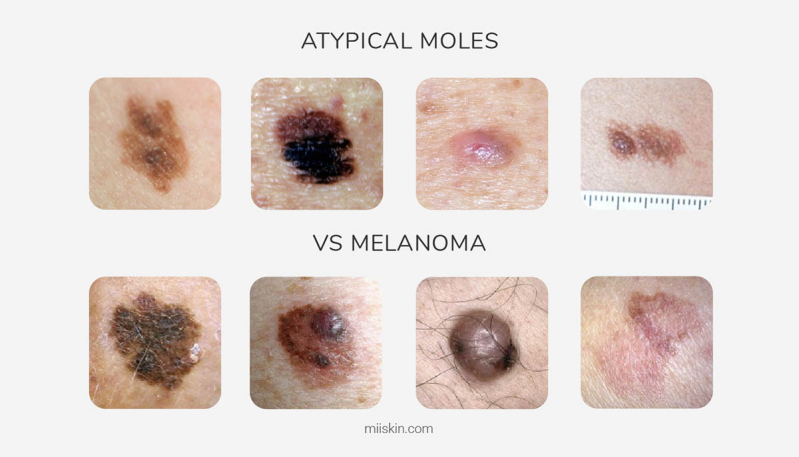
Image Credit: DermNet NZ / Miiskin
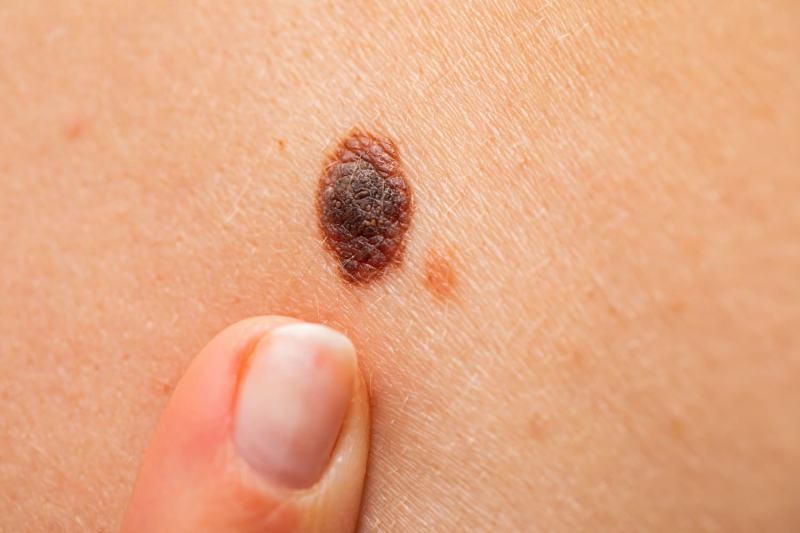
Image Credit: Moffitt Cancer Center